

Look, I love my daughters. I really do. But taking them mall shopping is like watching someone light money on fire while insisting the flames are “totally aesthetic.”
My fashion advice? Ignored.
My gasps at price-tags? Laughed at.
My suggestion to maybe try something that actually fits? “Mom, why do you have to be so weird.”
Fine. You know what? I’m redirecting this energy.
Startup founders—you poor souls who actually do listen to me—this one’s for you. Because you can drag me to the mall against my will, but you cannot take the venture partner out of me.

Lesson 1: Minimalistics Mint Money!
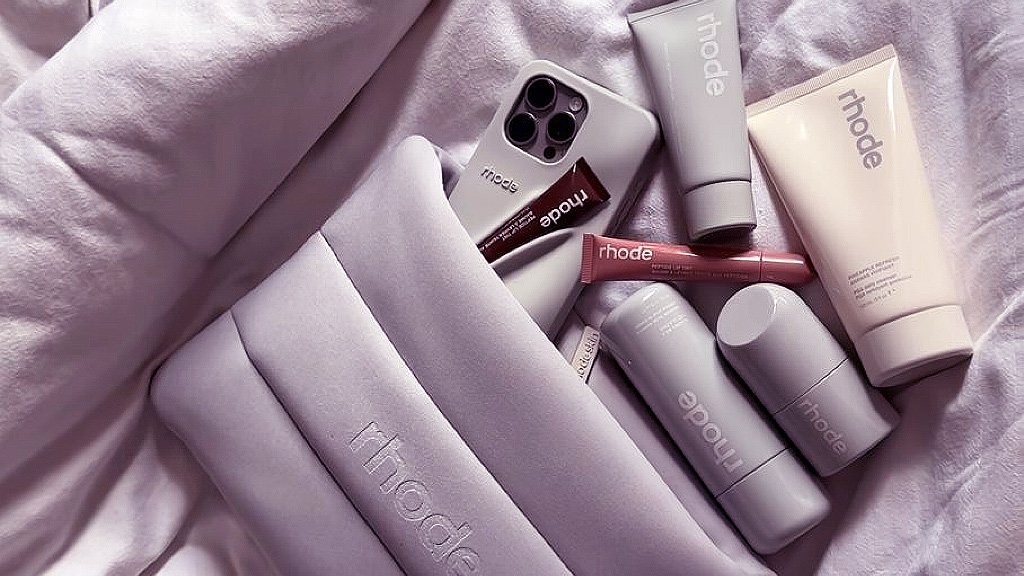
Rhode Beauty launched with 10 SKUs and generated $212 million in annual revenue.
Three years later: $1 billion acquisition by E.l.f. Beauty.
They made one of everything really good, no sprawl, no “let’s try this too.” Just focused execution on hero products that work. Compare that to the dozens of celebrity beauty brands that launched with 40+ SKUs, burned through capital, and never found product-market fit.
The lesson here is be true your brand DNA and focus your resources on the few right things. Everything else is distraction disguised as opportunity. This also translates to value proposition slide on your pitch deck, few strong points make a bigger impact than a long list of items crammed on a slide in small font. Be bold, invest/develop/promote wisely.
Lesson 2: The “Effortless” Look for Business
Rhode didn’t walk into Sephora desperate for shelf space. They waited until they had proven DTC momentum, demonstrated demand, and generated $248 million in earned media value. Then they secured their billion-dollar acquisition. Then they announced the Sephora partnership.
That’s not luck. That’s sequencing.
They negotiated from strength because they built their power base first. Their DTC success meant Sephora needed them more than they needed Sephora.
Instead, brands that rush into retail partnerships because they think placement will save them. It won’t. Ask yourself, where are you building brand equity now? Where do you want to be seen eventually? Don’t skip steps to chase validation. Build leverage, then deploy it.
Lesson 3: Strong Bones Beat Pretty Faces (Every Single Time)
Rhode’s billion-dollar valuation wasn’t just about Hailey Bieber’s 55 million Instagram followers. It was about CEO Nick Vlahos bringing CPG operational discipline from The Honest Company. It was co-founder Lauren Ratner’s brand-building expertise. It was hiring for gaps, not just for clout.
They tracked brand health metrics (47% of 25-34 year-olds perceived Rhode as “premium”), maintained lean supply chains, and built systems that could scale. The boring operational backbone that makes money.
The Bottom Line
This summer’s M&A wave highlighted by Rhode’s exit, Prada-Versace, Nordstrom going private at $6.25 billion tells one story: the market rewards brands that treat business building with the same rigor they apply to design.
Patient capital wins. Distribution timing matters. Operational excellence compounds.
My daughters will learn these lessons eventually. Probably when they’re paying their own bills.
You can learn them now.